Faces & Figures by Faye Toogood for Mutina
An exploration of sculptural surfaces, tactile imperfections, and the emotional relationship between the human body and architecture.
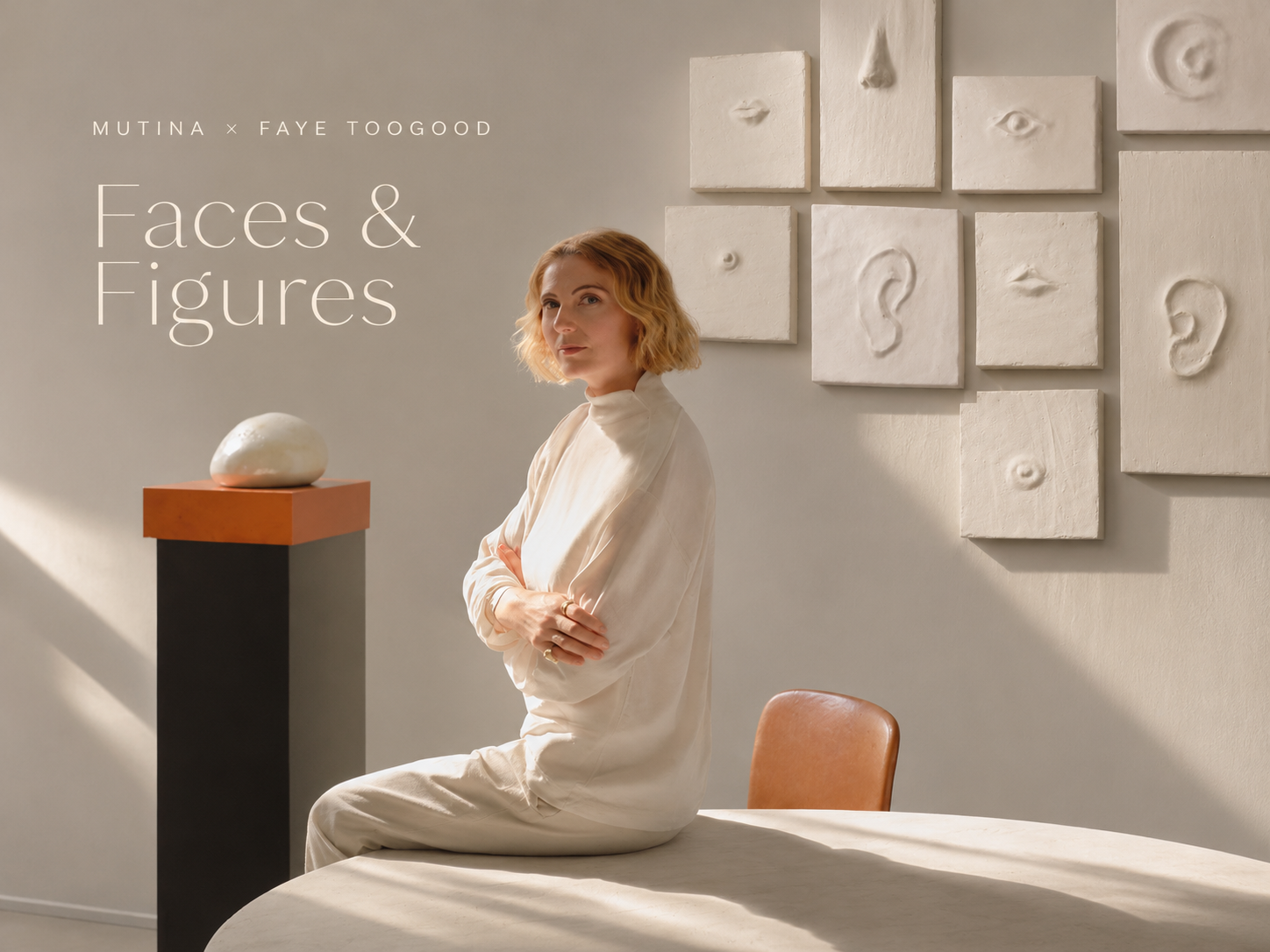
What if walls could express emotions? What if ceramic surfaces could carry the warmth, movement, and imperfections of the human body? With Faces & Figures, Italian design brand Mutina introduces its first collaboration with British artist and designer Faye Toogood, presenting a collection that challenges the traditional boundaries between ceramics, sculpture, and architecture.
Rather than approaching tiles as purely decorative or functional materials, Faces & Figures transforms them into an expressive architectural language — one that feels instinctive, tactile, and profoundly human.
The Beauty of Imperfection
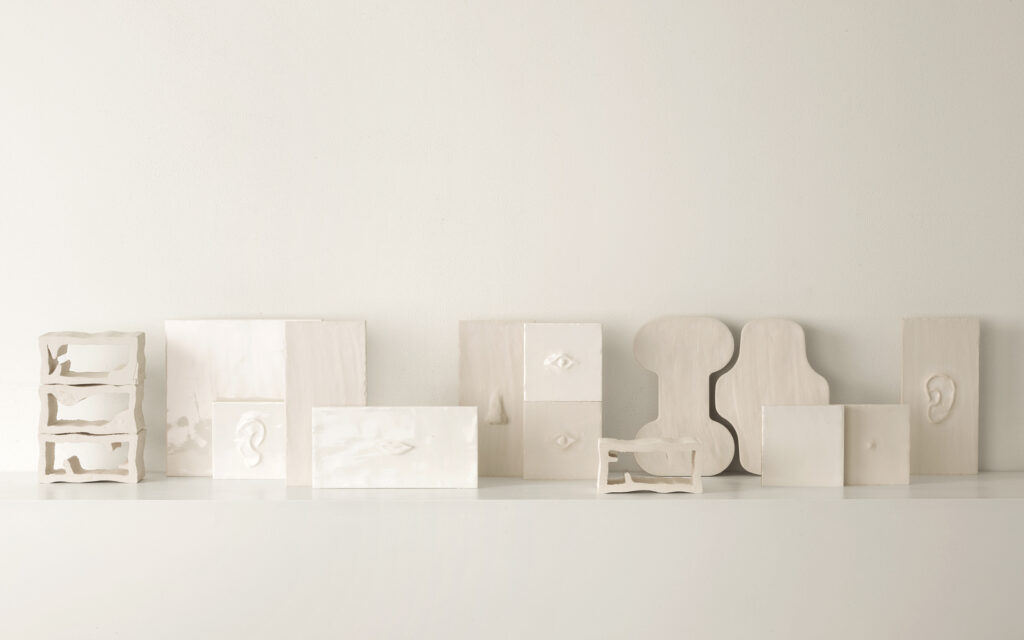
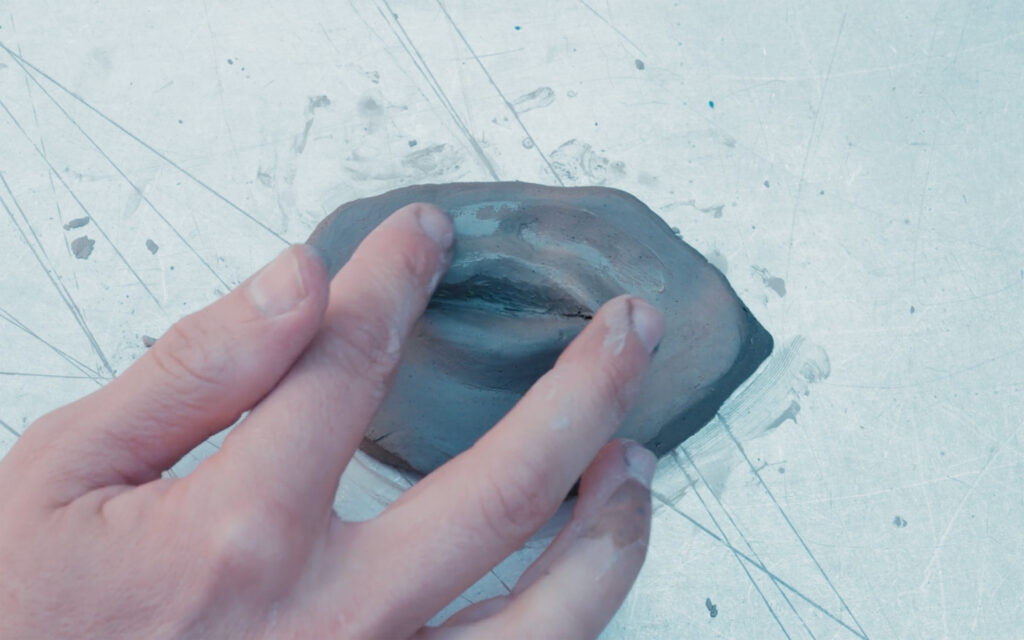
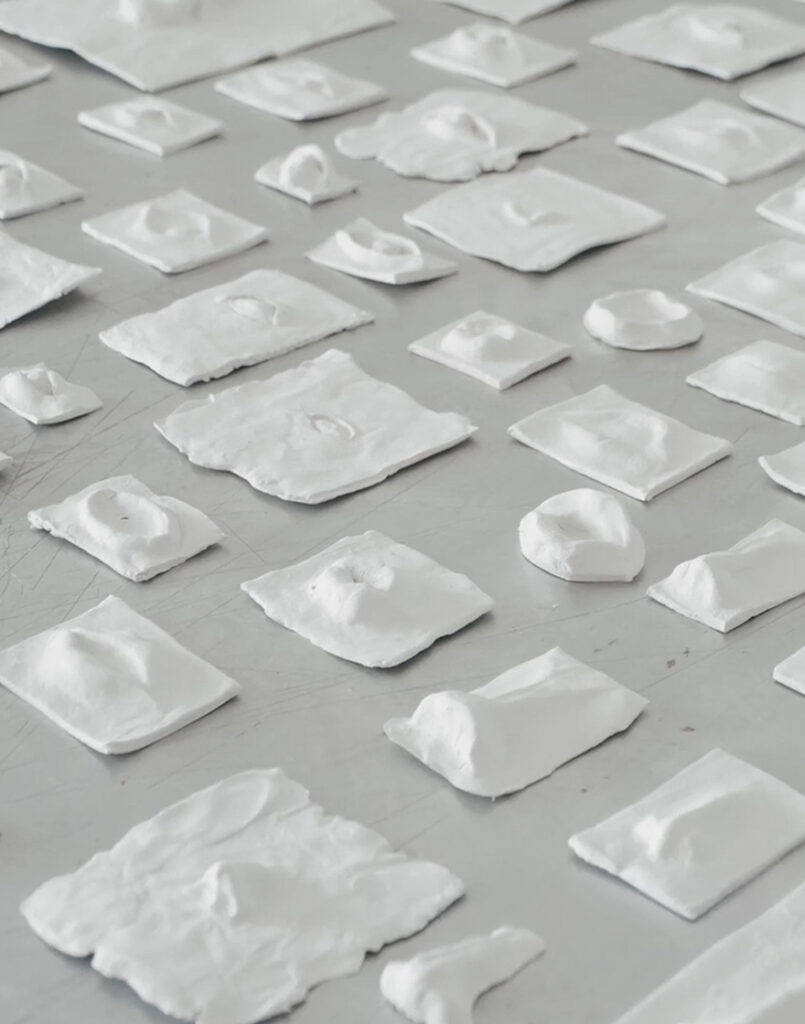
At the heart of Faces & Figures lies a simple yet powerful idea: the relationship between the human body and clay. The collection originated from an experimental creative process involving handmade clay models, cardboard studies, and sculptural explorations of the human figure.
These organic shapes were gradually translated into architectural elements, preserving the irregularities and tactile qualities of handcrafted materials. Unlike conventional ceramic surfaces defined by geometric precision and perfect repetition, Faces & Figures celebrates asymmetry, subtle cracks, uneven edges, and imperfect textures.
Faces, Figures & the Architecture of the Body
The collection is organized into complementary systems, each exploring a different relationship between human anatomy and architectural composition.
Plain Tiles — The Foundation
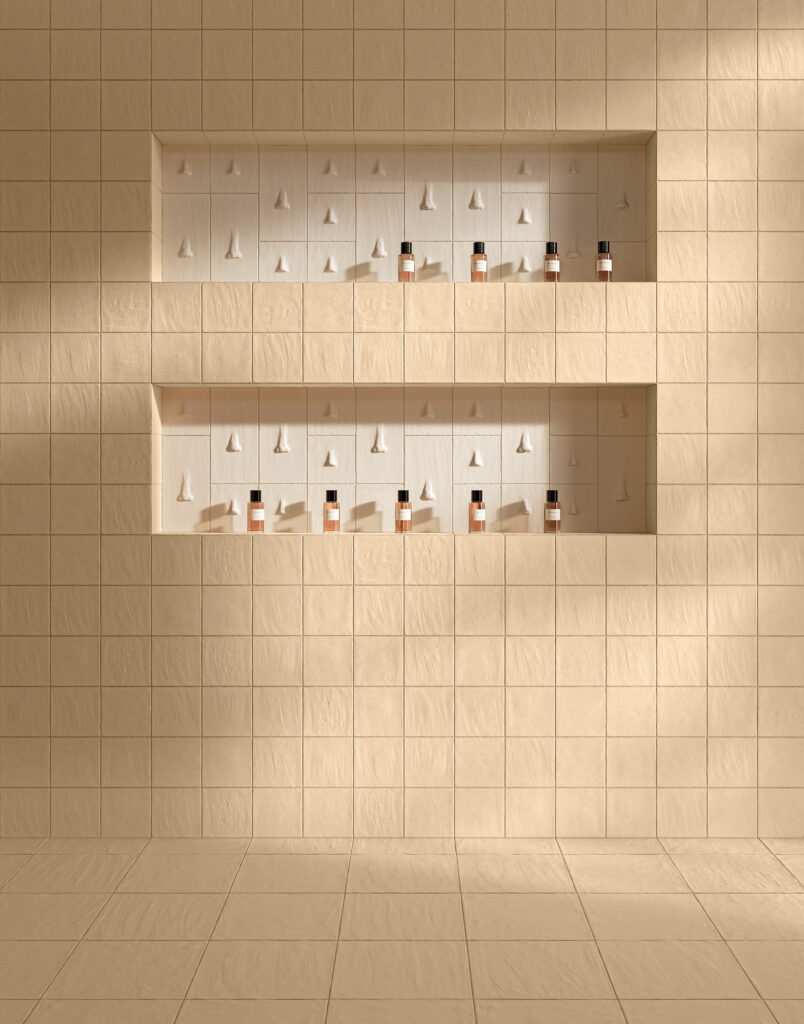
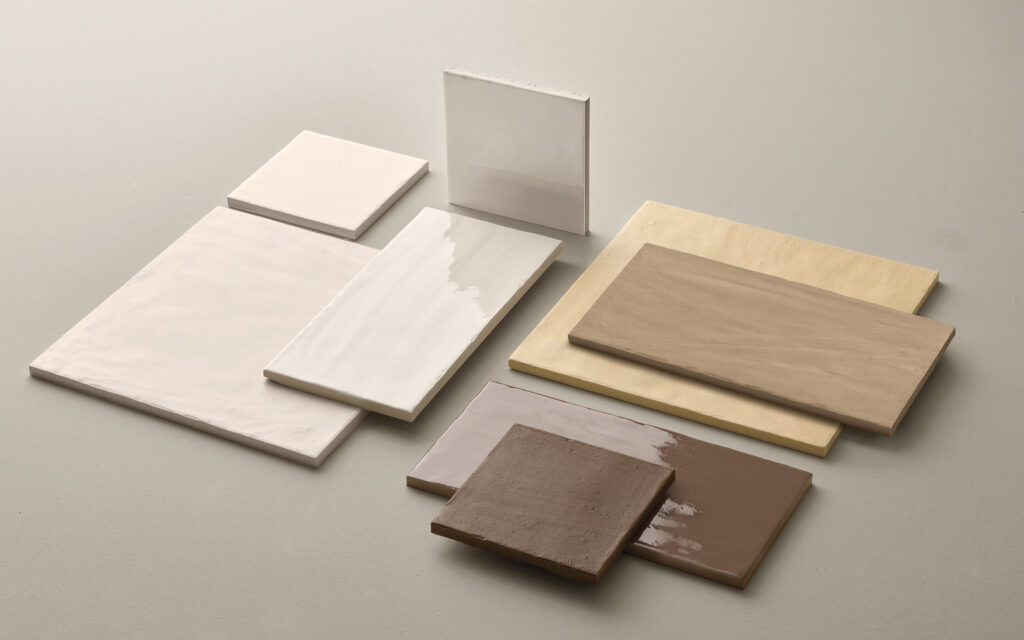
Available in Chalk, Sand, Clay, and Mud, the plain tiles introduce a restrained, earth-inspired colour palette. Their subtly irregular surfaces and glossy or matt finishes create a tactile foundation for architectural compositions, allowing designers to explore depth and materiality without overwhelming a space.
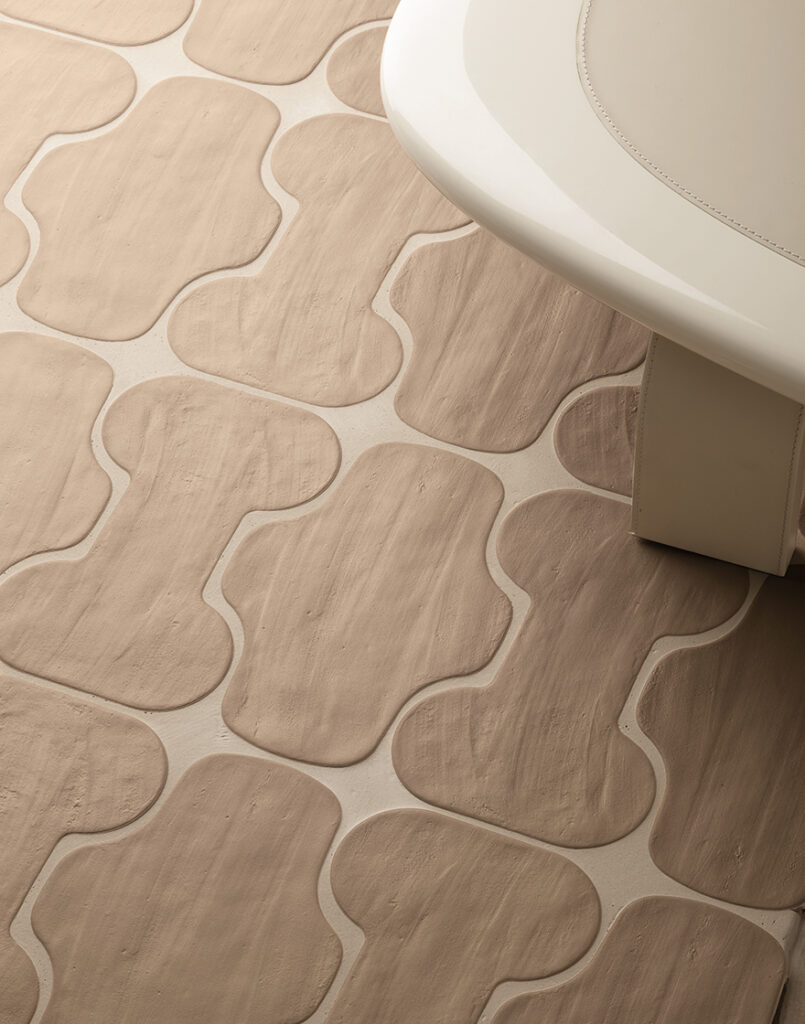
Figure — Organic Geometry
Figure transforms abstract anatomical references into two organic ceramic shapes that can be combined to create continuous patterns. The resulting compositions introduce movement and rhythm into walls and floors, offering an alternative to conventional geometric tiling.
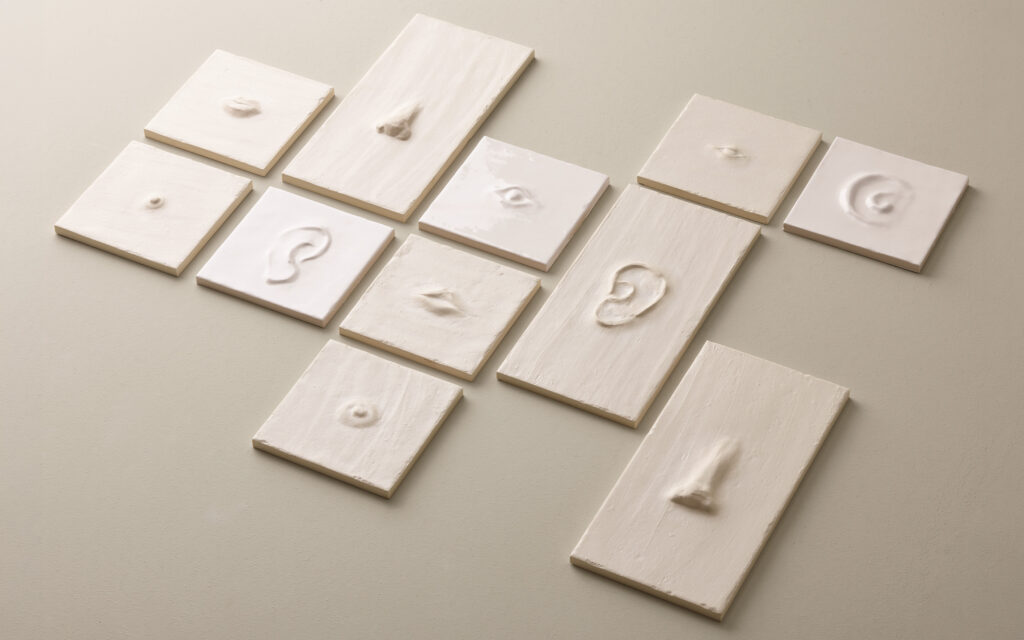
Faces — Sculpture Within the Surface
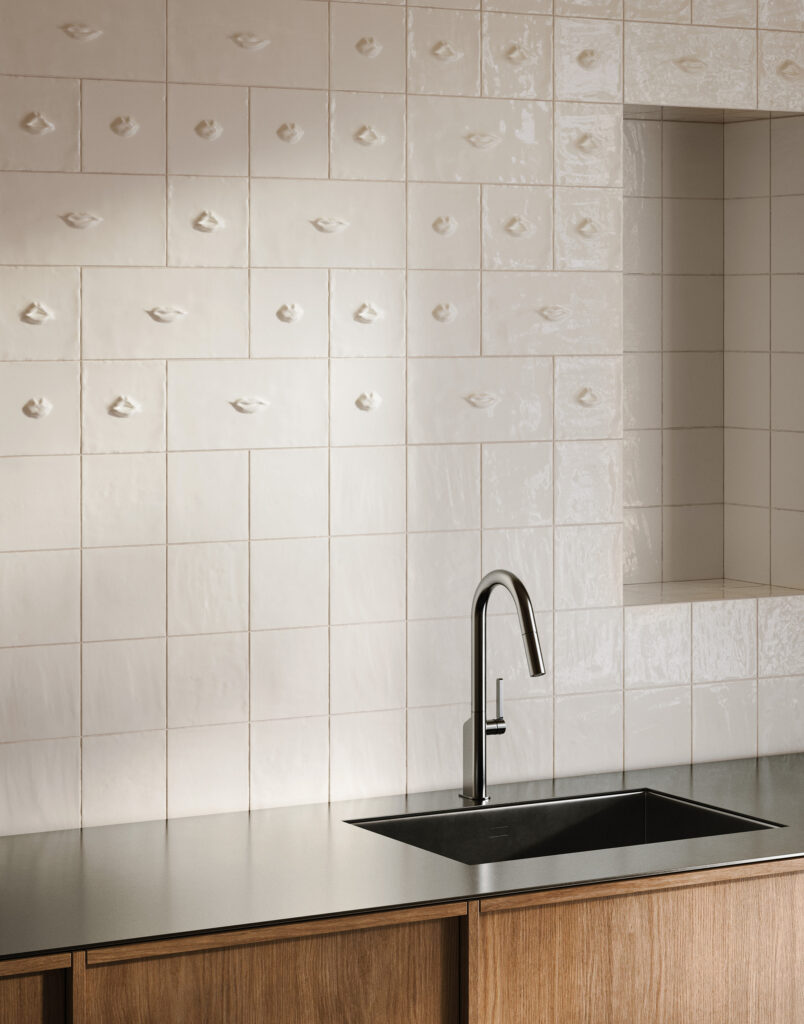
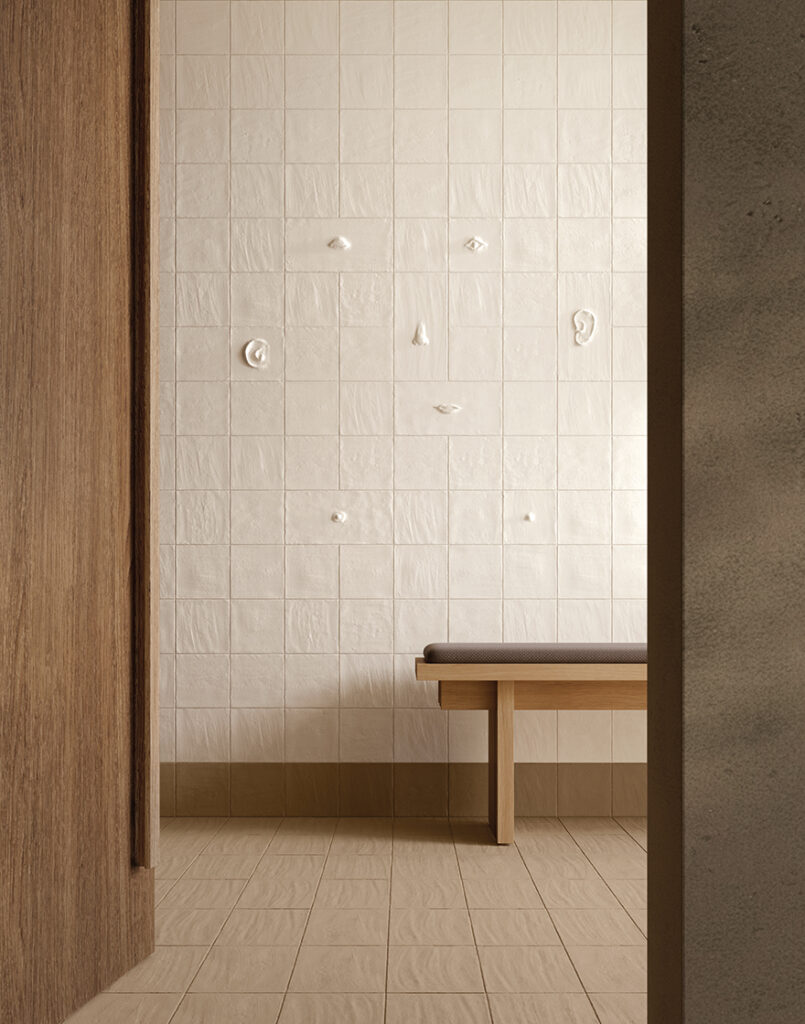
Perhaps the most distinctive feature of the collection is its series of three-dimensional decorative elements inspired by the human body. Eyes, ears, mouths, noses, and nipples emerge from ceramic surfaces like fragments of ancient sculptures.
These elements can be arranged individually or combined into unexpected compositions, allowing walls to become expressive, almost theatrical installations. The Face system combines eight figurative elements to suggest human faces without representing them literally.
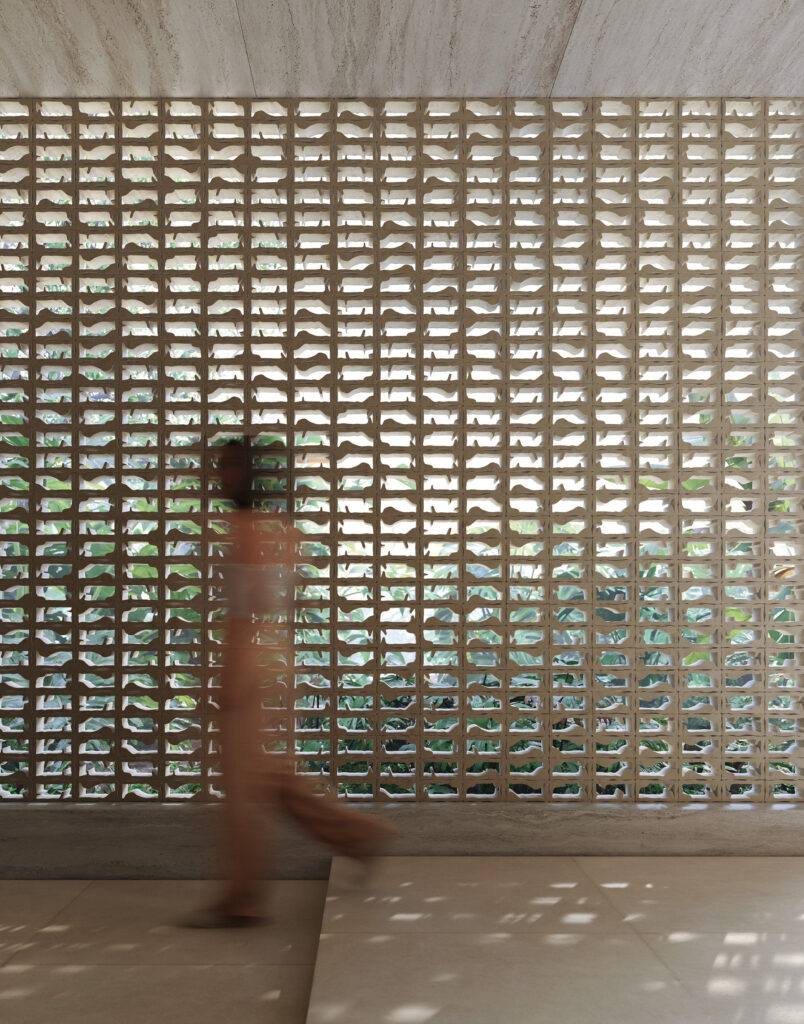
Body — A New Interpretation of the Brick
Extending beyond traditional wall coverings, the Body element introduces a sculptural terracotta brick inspired by the irregularity of dry-stone walls. Available in Chalk and Cotto, each piece features subtle variations in form, bringing a more organic and artisanal character to architectural structures.
The Future of Ceramic Design Is Emotional
Faces & Figures is more than a new ceramic collection. It represents a different way of thinking about materials and the spaces they inhabit.
As contemporary interiors increasingly embrace tactile surfaces, organic geometries, and individual expression, Mutina and Faye Toogood offer an alternative to the perfection often associated with modern architecture. Their approach celebrates the marks of human creativity, transforming imperfections into defining design features.
Faces & Figures reminds us that architecture does not have to be rigid or impersonal. Through material, texture, and artistic expression, even a wall can become something deeply human.